

TAKE CARE OF YOUR BEARD WITH A SYSTEM THAT WORKS
To keep your beard clean, soft and well-groomed without dryness or itching, one randomly chosen product is usually not enough. The beard and the skin underneath need a simple system: washing, moisturising and stimulation.
Washing helps remove buildup from the beard and the skin underneath. Moisturising helps reduce the feeling of dryness and makes the beard hair softer. Stimulation with a brush helps remove dead skin cells, supports skin microcirculation and makes the beard look cleaner and better kept.
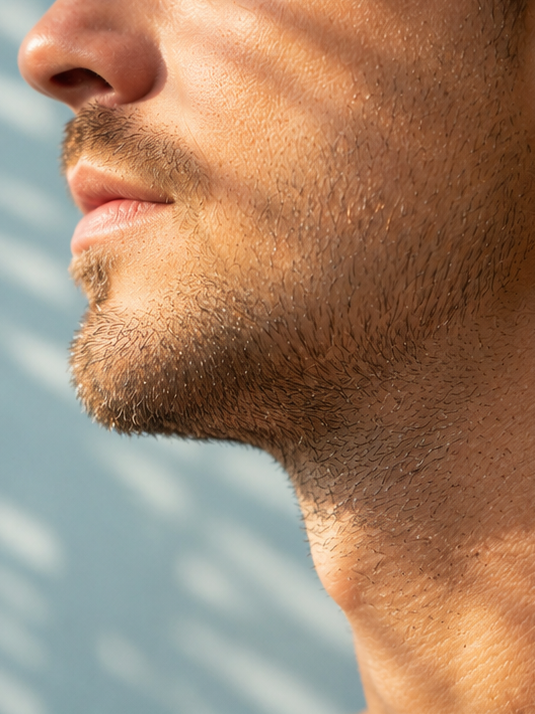
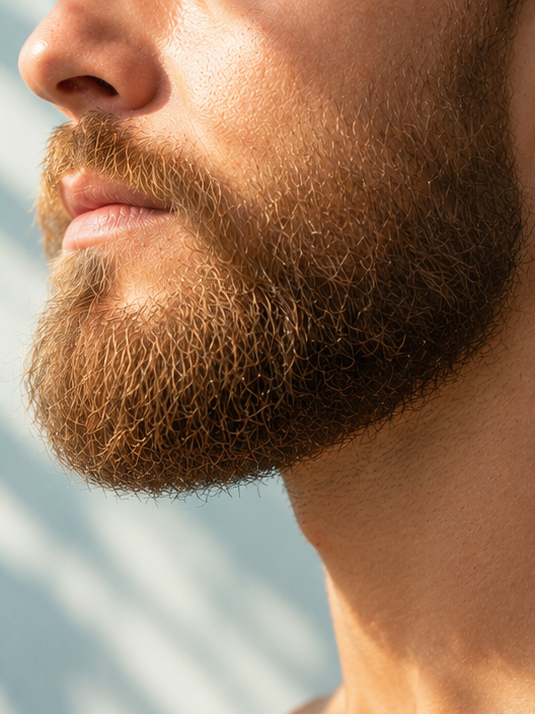
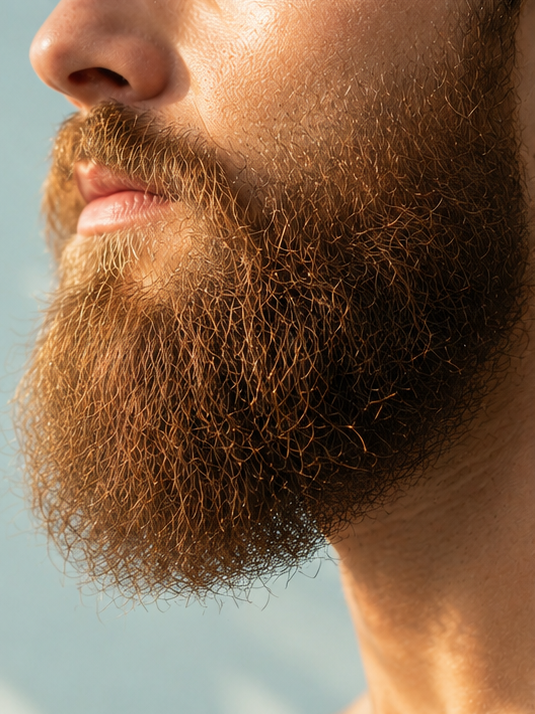
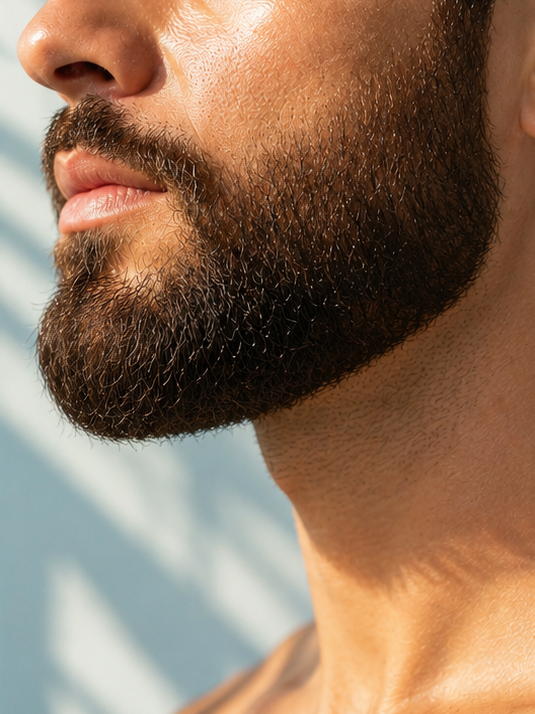
A Simple Start to Beard Care
If you are starting to take care of your beard and are not sure where to begin, this is the safest foundation. The kit helps care for the skin underneath the beard, soften the beard hair, and keep it looking neater day to day.
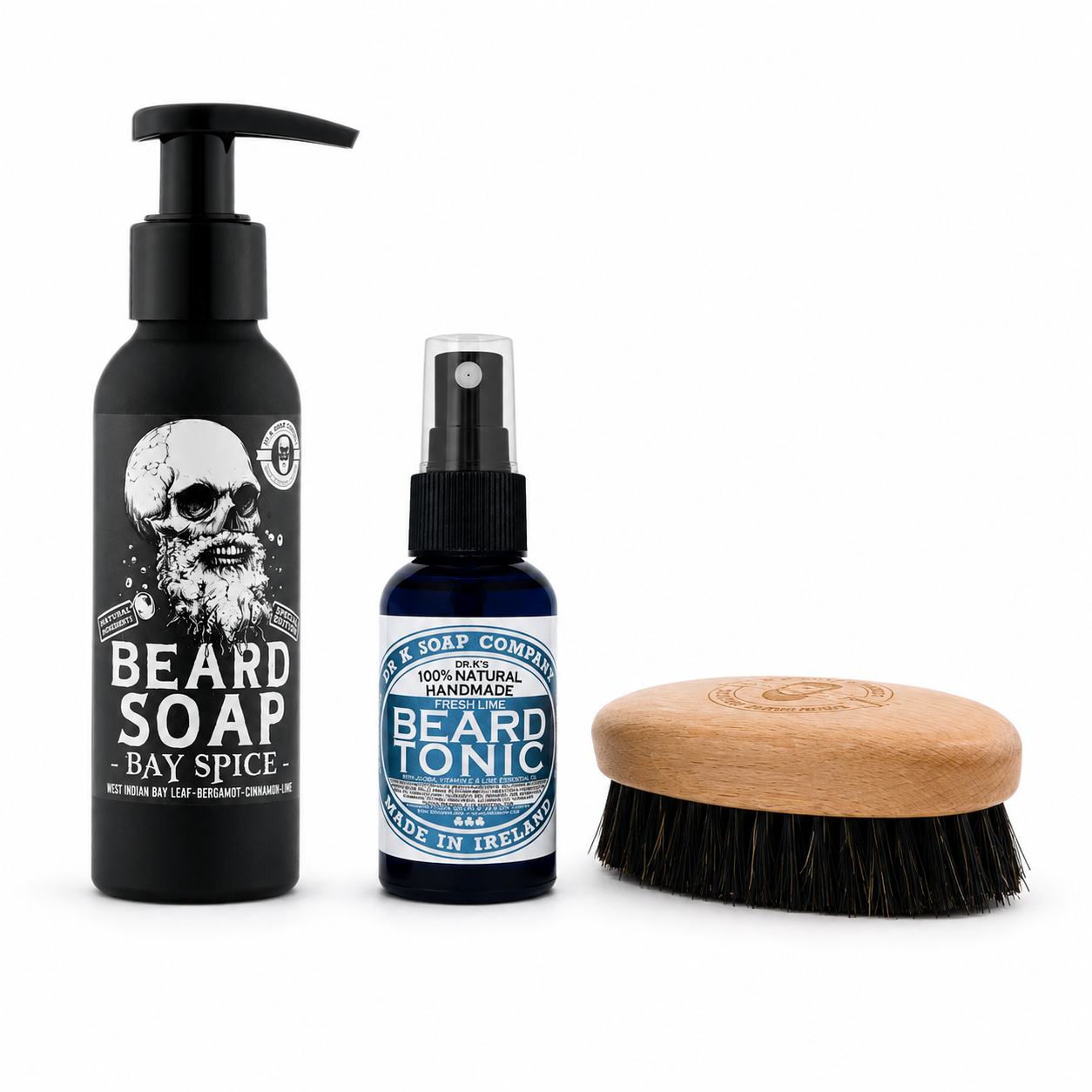
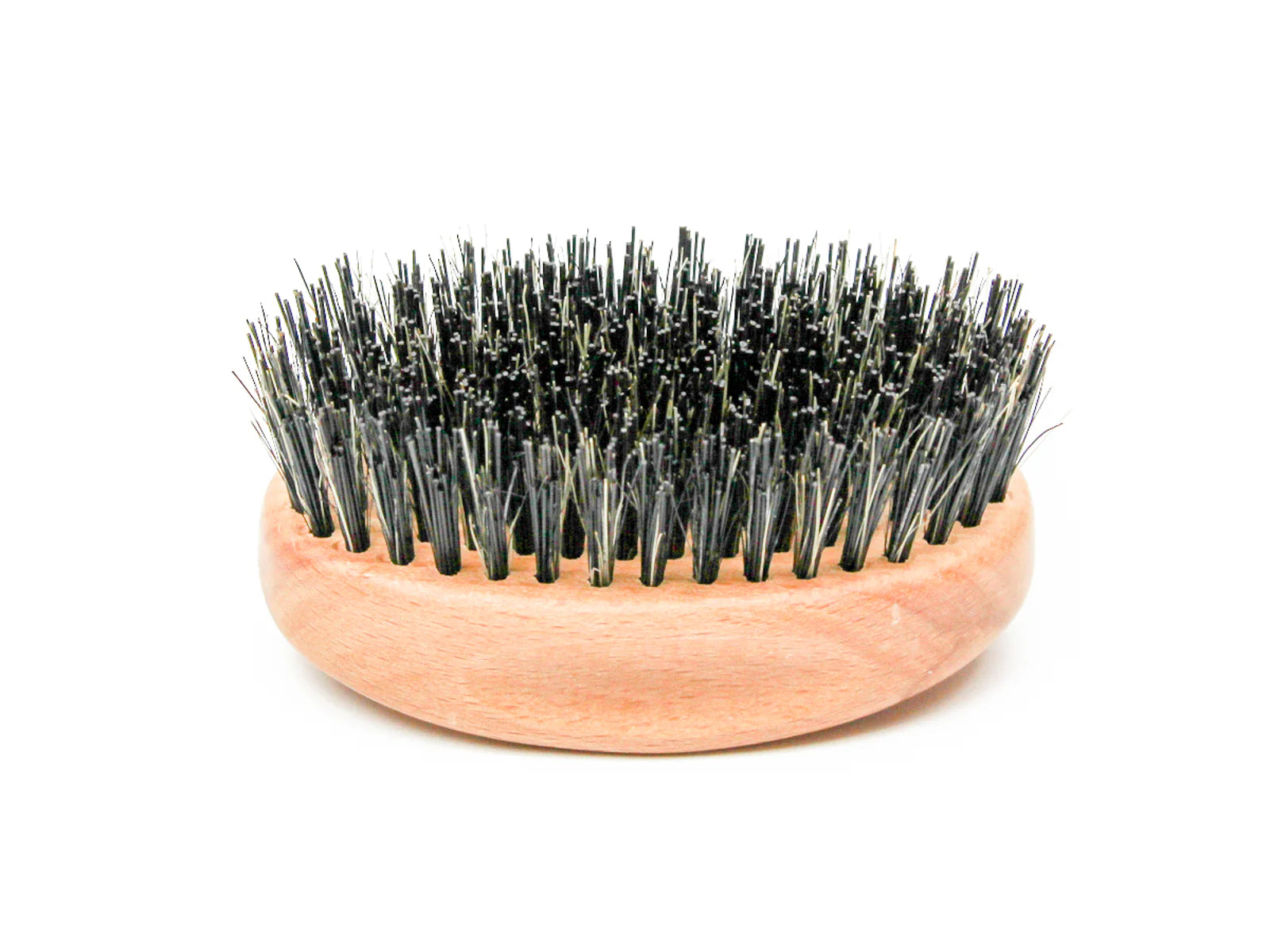
First Beard Care Kit is a simple starter set for everyday beard care. It is designed for a man who wants to keep his beard well-groomed without having to buy a lot of different products at once or guess which ones he actually needs.
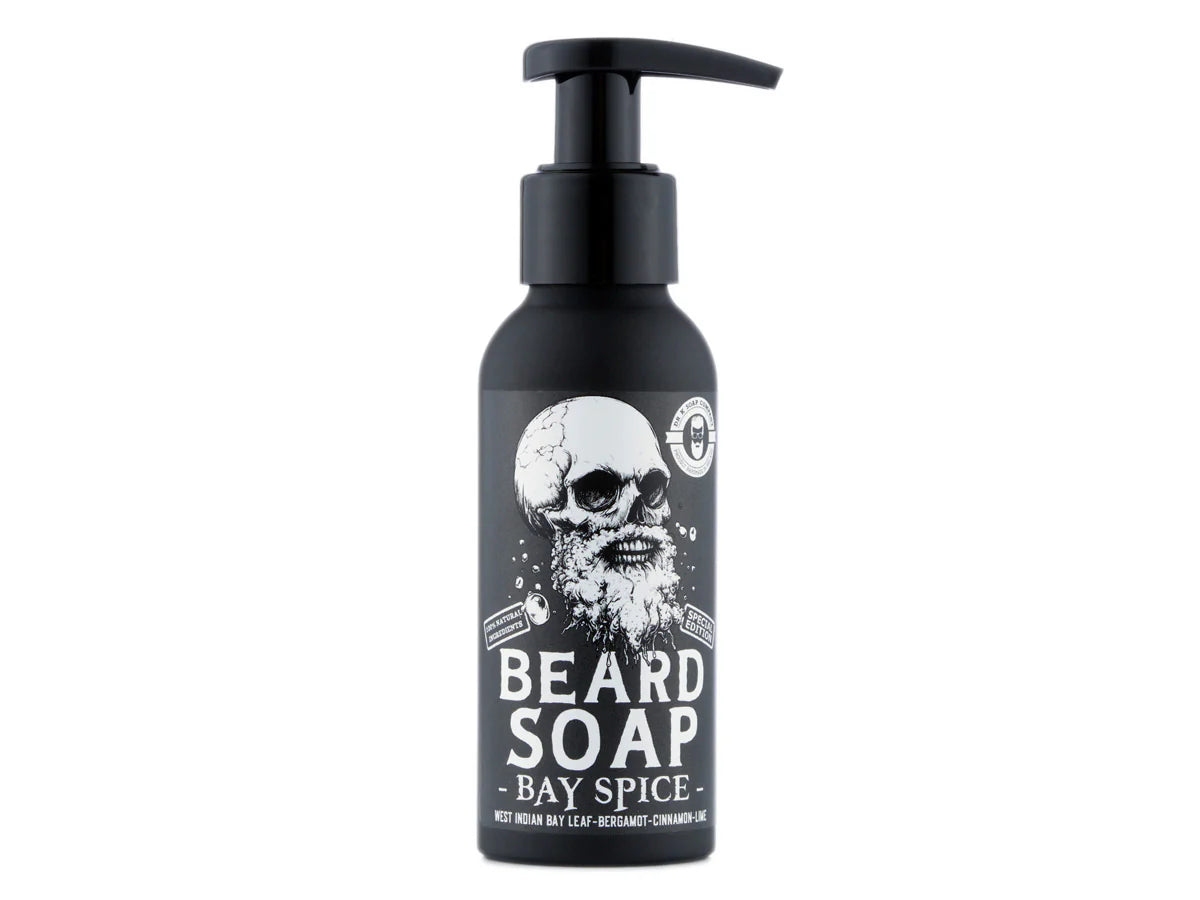
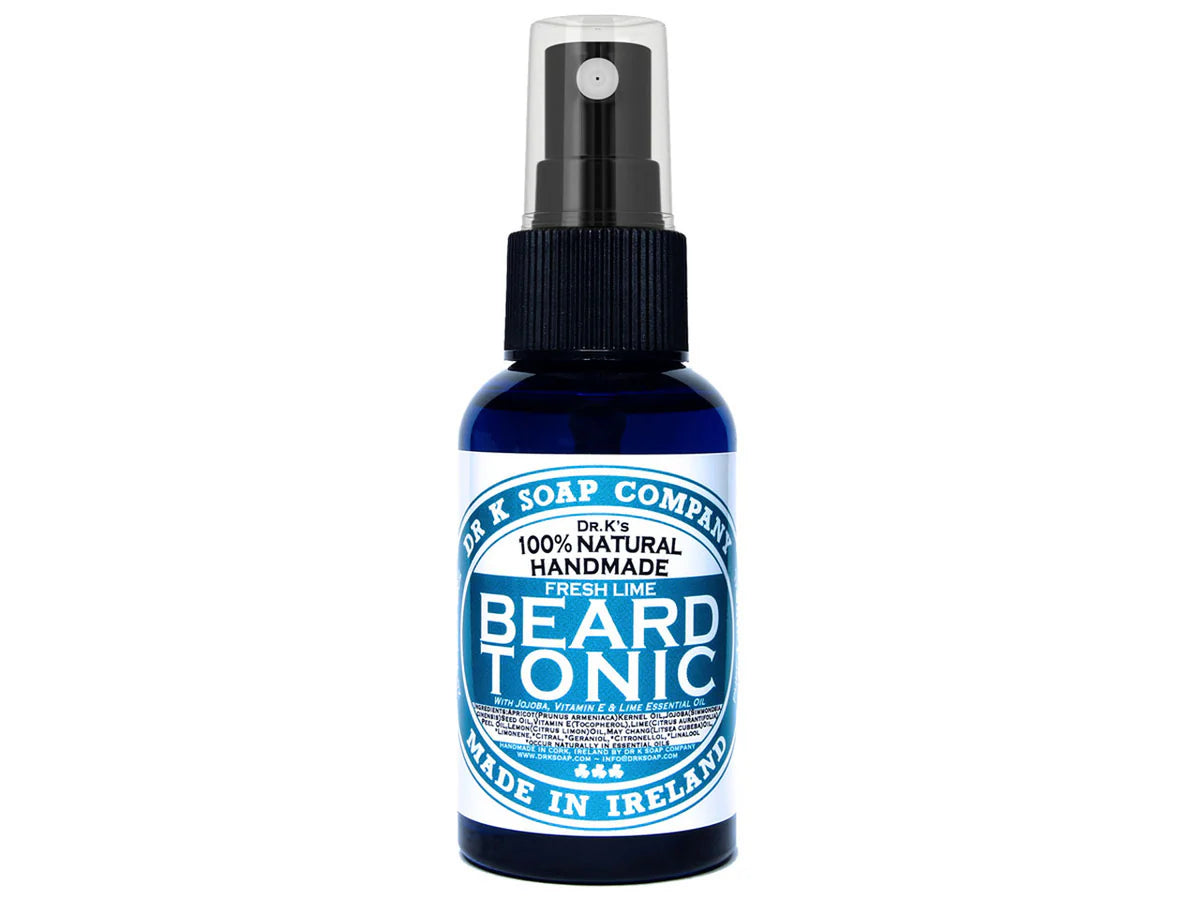
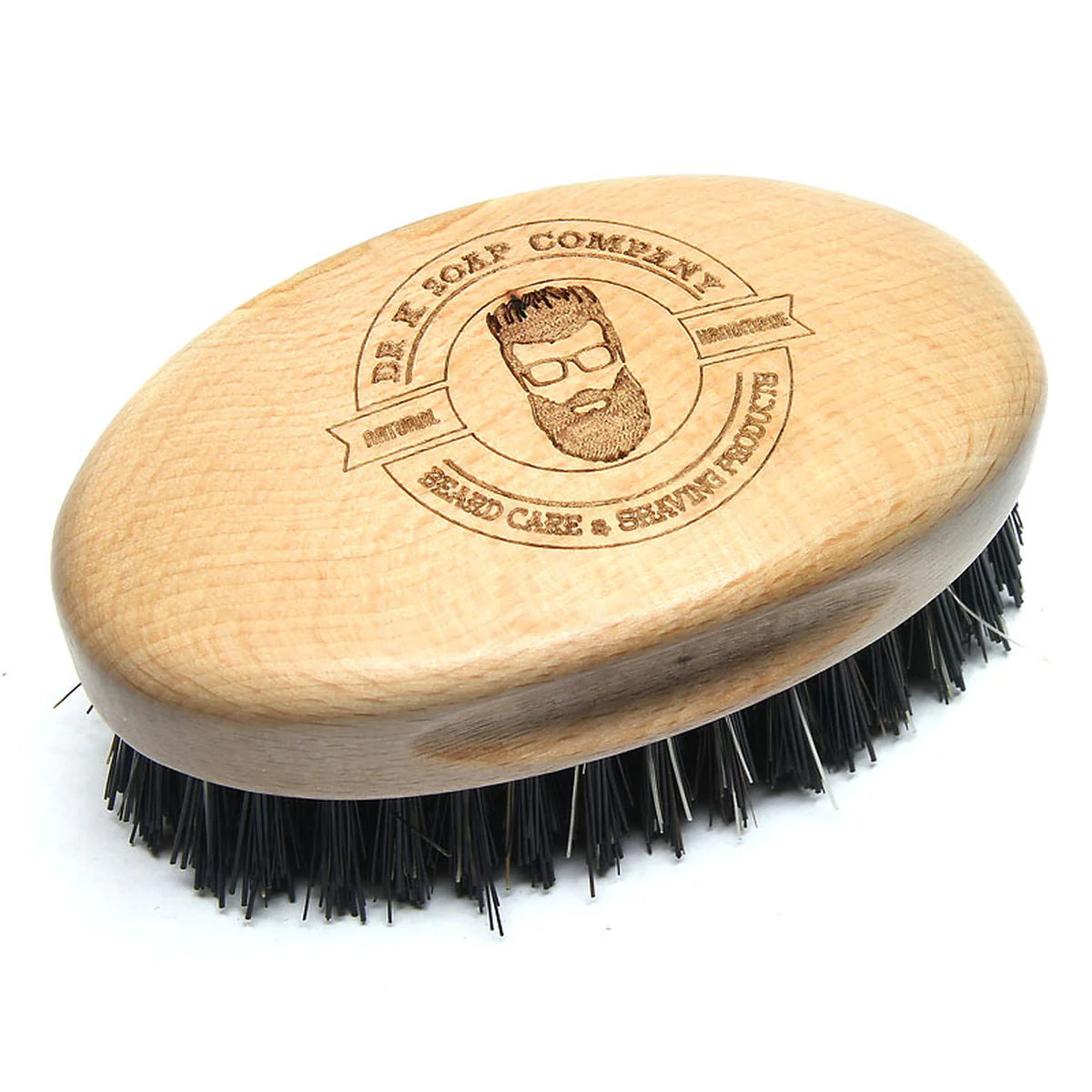
The kit includes three essentials: a beard shampoo, a beard oil, and a brush. The shampoo helps cleanse both the beard and the skin underneath, the oil makes the beard hair softer and more pleasant to the touch, and the brush helps distribute the product evenly while giving the beard a neater, more groomed appearance.
This is a good first step for a short to medium-length beard, especially if the beard feels dry, rough, untidy, or if the skin underneath occasionally feels uncomfortable.
How do I know which beard care product I need?
Choose the issue that best describes your beard. If the skin under your beard feels dry or itchy, start with beard wash. If the beard hair feels rough, choose beard oil. If your beard is hard to control, use balm and a brush. For a cleaner, better-groomed look, keep the routine simple: wash, soften and brush into shape.
See more FAQ at the end of this page.




SIMPLE SOLUTIONS • PROBLEM-BASED CARE • 10+ YEARS OF EXPERIENCE
How can we help?
Shop In-store & Online
All products are available in-store or can be shipped directly to you.

SPOTS STORE IN RIGA
Store address:
Miesnieku 14, Riga
Opening hours:
Monday–Friday: 11:00–19:00
Saturday: 11:00–16:00
Sunday: Closed

We ship across Europe
Order online from SPOTS and receive your products across Europe. We offer delivery to parcel lockers, pickup points, and courier delivery depending on your country and available shipping options.
For delivery options and prices please check here.
Need help choosing?
If you need help choosing the right product, contact us or visit our store in Riga. We’ll guide you through the options.
Click here to contact us.Understanding beard care
Frequently Asked Questions About Beard Care
Beard care is not only about adding more oil. A healthy-looking beard starts with clean skin underneath, then softness, control and the right grooming tools.
Below you’ll find answers to the most common beard care questions — from dry skin, itchiness and rough beard hair to washing, beard oil, balm, brushes and moustache care.
Common Beard Problems
Dry skin under the beard is very common because the skin is harder to reach and clean properly once facial hair grows over it. Sweat, dead skin cells, sebum, product residue, and everyday dirt can build up under the beard. At the same time, harsh soaps, hot water, or strong shampoos can strip the skin and make it feel even drier.
The first step is not always more oil. In many cases, the better starting point is a proper beard wash: something gentle enough for the face, but effective enough to clean through the beard and reach the skin underneath. After that, if the skin still feels dry or tight, you can add a light amount of beard oil or moisturising care.
The American Academy of Dermatology recommends washing the face and beard every day with a gentle cleanser suited to your skin type, specifically to remove dirt and debris without drying the skin.
Start with a proper beard wash
Beard hair is often thicker and coarser than scalp hair. When it loses softness and protection, it can quickly feel sharp, dry, and harder to control. Washing with a suitable beard wash and then using a beard oil or serum helps the beard feel softer and look healthier.
Not always. If the beard and skin are not properly cleansed, adding more oil may simply sit on top of sweat, dirt, or old product. For dry or itchy skin under the beard, start with the right beard wash first. Use oil or balm afterwards, when the beard is clean.
Beard itch can come from several causes: dry skin, build-up under the beard, new or sharp hair growth, harsh washing, ingrown hairs, or dandruff-like scaling in the beard area.
A practical first step is to improve the basics: wash the beard properly, rinse well, avoid very hot water, and do not use aggressive soap. If the skin feels dry after washing, apply a small amount of beard oil or a suitable moisturiser and work it down to the skin, not just over the beard hair.
If the itching is strong, painful, red, spreading, or comes with heavy scaling or sores, it is better to treat it as a skin issue and speak with a dermatologist.
“Beard dandruff” usually means visible flakes in the beard area. Sometimes it is simple dry skin. In other cases, it may be linked to seborrheic dermatitis, a common condition that can affect oily areas of the skin, including the beard area.
For mild flaking, start with a better cleansing routine: wash the beard thoroughly, rinse well, and avoid harsh soap. A beard brush can also help loosen trapped flakes and distribute natural oils or grooming products more evenly.
If the flakes are greasy, yellowish, very persistent, or combined with redness and itching, ordinary beard oil may not solve the problem. That may need a targeted anti-dandruff or medical approach.
Sometimes, but not always as the first step.
Beard oil can help soften the beard and reduce a dry, tight feeling, but if the real problem is build-up, poor cleansing, or irritation from harsh washing, adding more oil may not fix the cause. It may even leave the beard feeling heavier.
A better sequence is:
- Clean the beard properly with a suitable beard wash.
- Rinse thoroughly.
- Dry gently.
- Then apply a small amount of beard oil if the skin or beard still feels dry.
This keeps beard oil in the right role: useful for comfort and softness, but not a replacement for proper washing.
Beard hair is naturally coarser than scalp hair for many men. It can feel even rougher when it is dry, freshly trimmed, washed with harsh shampoo, or not conditioned in any way.
If the skin underneath feels fine but the hair itself feels rough, then a beard oil, tonic, serum, or balm can help. These products coat and soften the hair, making the beard feel less sharp and more comfortable.
For a short beard, a light product is usually enough. For a longer or thicker beard, a balm may work better because it adds softness and light control at the same time.
Daily Beard Care Routine
You can, but regular hair shampoo is usually not the best choice for daily beard care.
The skin under your beard is facial skin, not scalp skin. That matters because a beard wash has to clean two things at the same time: the beard hair and the skin underneath it. Regular hair shampoo is made mainly for scalp hair and scalp oil. Some shampoos can be too strong for the face, especially if used often, and may leave the skin under the beard feeling tight, dry, itchy or irritated.
A beard also collects more than just oil. During the day it can hold sweat, sebum, dead skin cells, food smells, smoke, dust, fragrance residue and grooming product build-up. A proper beard wash should clean through the hair and reach the skin underneath, without stripping the skin barrier or making the beard hair feel rough.
This is why a dedicated beard wash or a gentle facial cleanser is usually a better option than regular shampoo. It is not only about cleaning the beard hair. It is about keeping the skin under the beard clean, comfortable and healthy.
If your beard feels clean after washing but the skin underneath feels dry, tight or uncomfortable, your shampoo may be too aggressive for regular beard use.
A beard can be washed daily with a gentle beard wash that is suitable for facial hair and the skin underneath. In many cases, daily washing is a good routine because the beard collects sweat, sebum, dust, food smells, smoke, product residue and everyday environmental build-up.
Some men may even wash their beard twice a day - for example after sport, sweating, eating, smoking, working in a dusty environment or at the end of a long day. This can make sense if the beard wash is gentle and the skin underneath does not become dry, tight or irritated.
The important point is the product. A harsh soap or strong shampoo can dry the skin and make the beard feel rough. A proper beard wash should clean the beard and the skin underneath without stripping them. The goal is not to remove everything aggressively, but to keep the beard clean, comfortable and fresh.
It depends on the soap.
Ordinary hand or body soap is often not the best choice for regular beard care, because it can be too drying for facial skin. This matters especially under a beard, where dryness, tightness, flakes and itchiness are already common problems.
However, not every solid soap is a problem. A good solid beard soap or a well-formulated facial cleansing bar can be a very good option if it is made to clean facial hair and the skin underneath without leaving the area dry or irritated.
The important point is not whether the product is liquid or solid. The important point is whether it is gentle enough for the face and suitable for beard care.
If your beard feels clean after washing but the skin underneath feels tight, dry or uncomfortable, the soap may be too harsh for regular use. A good beard wash, beard soap or gentle facial cleanser should clean the beard and the skin underneath while keeping the area comfortable.
Start with less than you think, and apply it at the right moment.
Beard oil usually works best after washing, when the beard has been gently dried with a towel but is still slightly damp. This is important because a slightly damp beard helps the oil spread more evenly through the hair. The result is usually better absorption, less surface shine and a lighter, less greasy finish.
For a short beard, 1 - 2 drops may be enough. For a medium beard, start with 3 - 5 drops. For a longer or thicker beard, you can add more if needed.
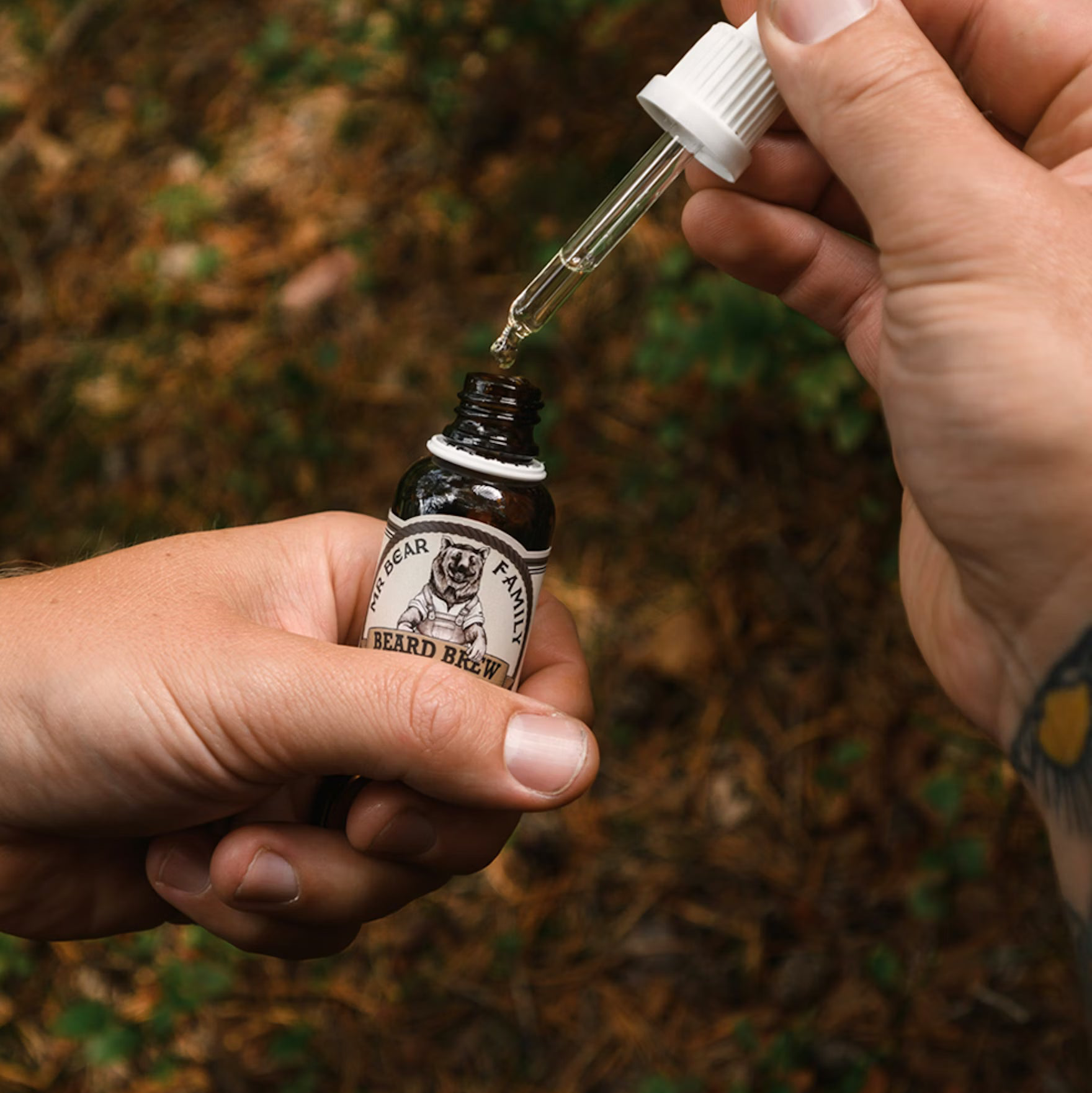
Warm the oil between your palms, then work it through the beard. Do not apply it only on the surface - massage it into the beard so it reaches the hair and, if needed, the skin underneath. After that, brush or comb the beard so the oil is distributed evenly.
If the beard looks greasy after a few minutes, you may have used too much oil, or applied it to a beard that was too dry. Beard oil should make the beard feel softer, fresher and more comfortable - not heavy, shiny or oily.
With a short beard, the skin underneath matters most - but the sharp feeling does not always mean the beard is dry.
Short beard hair can feel sharp because it has often been recently trimmed or shaved. A freshly cut hair has a blunter end than a naturally tapered hair, so it can feel more prickly against the skin. Very short beard hair is also stiff and tends to stand more upright, because it is not yet long or heavy enough to bend and sit in a softer direction.
Beard oil can help if the hair feels dry or rough, and it can make the beard feel more comfortable. But it cannot physically round off a freshly cut hair tip. If the sharpness comes mainly from very short, newly trimmed hair, the feeling usually improves as the beard grows a little longer and the hairs become more flexible.
For a short beard, keep the routine simple: wash gently, avoid harsh soap, use a small amount of beard oil after washing if the hair or skin feels dry, and keep the edges tidy. A heavy balm is usually not necessary unless the hair is very coarse or grows in different directions.
The main goal is clean skin, comfortable hair and tidy edges - not trying to solve every sharp feeling with more product.
A longer beard needs more structure and more consistent care.
Longer beard hair can become dry at the ends, fluffy in shape and more likely to collect sweat, dust, food smells, smoke or product build-up. That makes proper washing important, but so is softening and control.
A practical routine is: wash with a suitable beard wash, dry gently with a towel, apply beard oil, tonic or serum if the hair feels dry or rough, use balm if the beard needs shape, and brush or comb it into place.
The longer the beard, the more important even product distribution becomes. Do not leave oil or balm only on the surface - work it through the beard.
Use less product, apply it to a clean beard, and apply it at the right moment.
A greasy beard usually comes from using too much oil or balm, applying product only on the surface, or adding product to a beard that has not been properly washed. But it can also happen when beard oil is applied to a completely dry beard, where it may sit more on the surface and create extra shine.
Beard oil usually works best after washing, when the beard has been gently dried with a towel but is still slightly damp. A slightly damp beard helps the oil spread more evenly through the hair, absorb better, and leave a lighter finish with less surface shine.
Start with a smaller amount than you think you need. Warm the product between your palms, work it through the beard, and then brush or comb it through so it is distributed evenly. If you use balm, use only a small amount and focus on shape and control rather than coating the whole beard heavily.
If the beard often feels heavy or oily, the solution may not be to stop grooming. It may be to wash the beard better, apply product after towel-drying, use less product, and choose a lighter product for daily use.
A good beard routine should leave the beard clean, soft and controlled - not shiny, heavy or oily.
Moustache care is part of beard care, but it needs more precision because the hair sits close to the mouth and even small uneven hairs are visible.
Wash your moustache regularly, especially if it catches food, drink, smoke or product residue during the day. This helps keep the moustache cleaner, fresher and more comfortable.
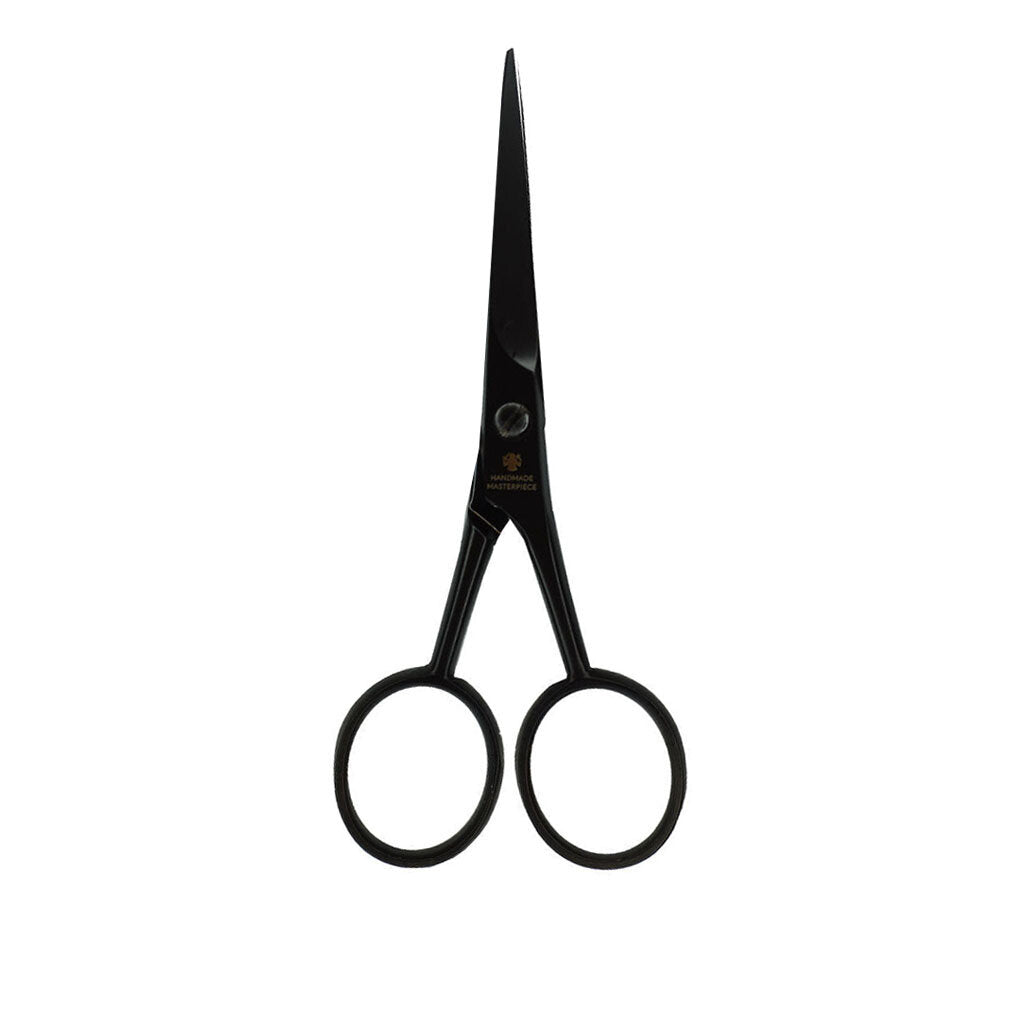
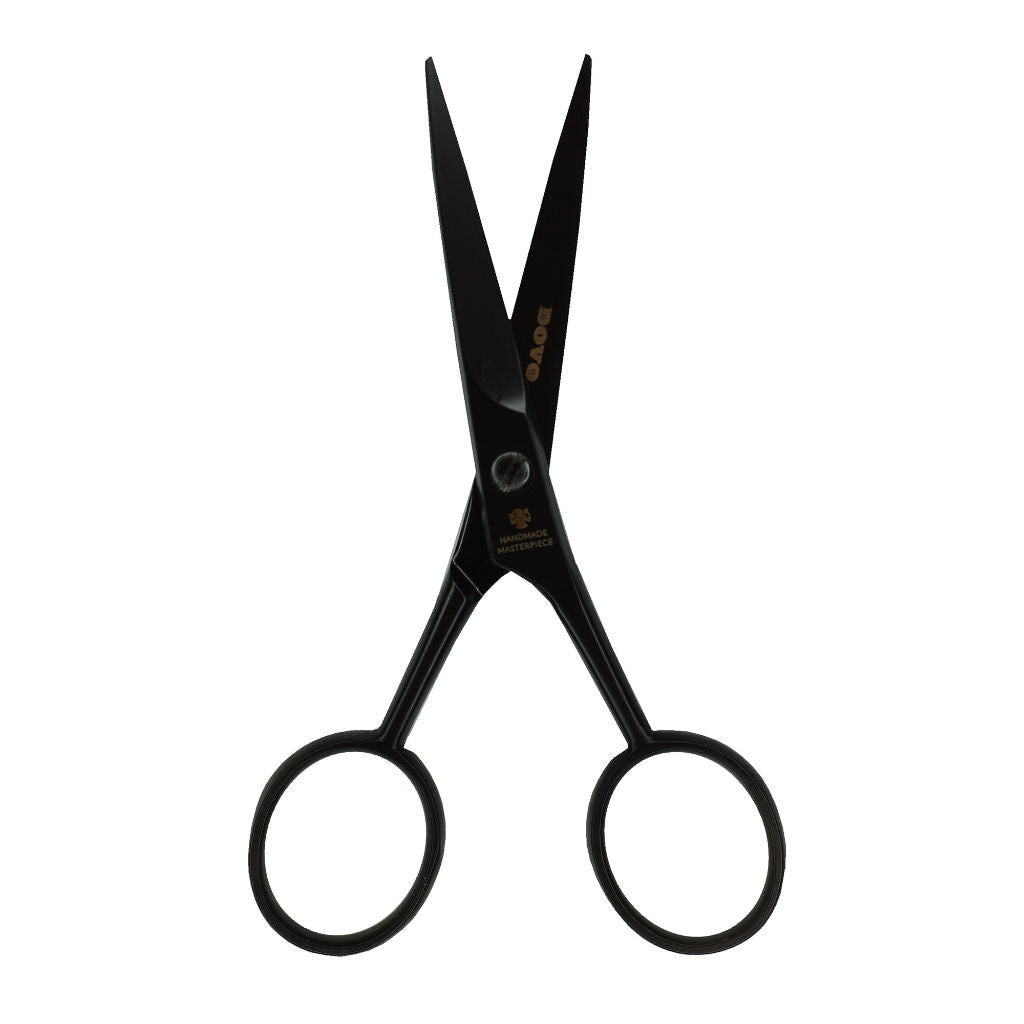
Trim the hairs that grow over the lip if you want a cleaner look and a more comfortable feel. Good moustache scissors are useful here because many of them have a micro-serrated edge. This helps grip the hair while cutting, so the hair does not slide away from the blade and the cut line is more precise.
Many men also need to remove small stray hairs around the moustache line every few days. Some men have shorter, stiffer or lighter hairs around the upper lip or under the nose, and these can disturb the moustache shape or push the line out of place. This varies from person to person, but it is one of the reasons why moustache grooming often needs small, regular corrections.
For shaping the moustache outline, a safety razor can be useful. It allows you to clean up small hairs around the moustache line without changing the whole shape. Use a clean, sharp blade and avoid pressing too hard, especially if the skin is sensitive.
If the moustache grows into the mouth, curls in the wrong direction or refuses to stay in shape, use a small amount of moustache wax or beard balm. Wax gives stronger control and is better for a more defined moustache shape. Balm gives softer control and a more natural finish.
For everyday care, the most important steps are simple: keep the moustache clean, trim the lip line when needed, remove small stray hairs around the shape, comb it into place, and use wax or balm only when extra control is necessary.
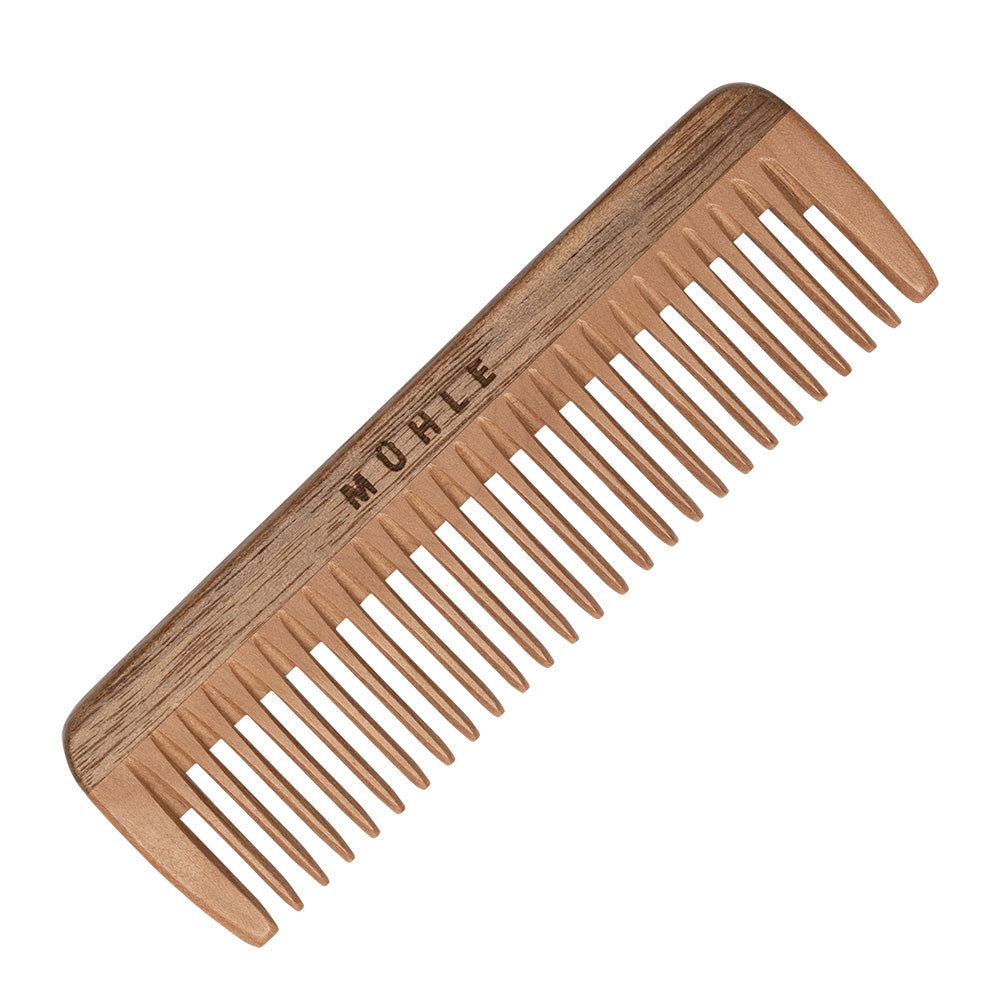
We carry the practical tools for this routine: moustache waxes, special moustache combs, moustache scissors and safety razors for precise line work - you can find in Beard and Shave sections ir ask us directly for recommendations.
Choosing the Right Beard Care Product
Start with the problem you want to solve.
If the skin under your beard feels dry, tight, itchy, or flaky, start with a proper beard wash. Very often the problem is not that the beard needs more oil, but that the skin underneath is not being cleaned gently and properly.
If the beard hair itself feels dry, rough, sharp, or dull, choose a beard oil, tonic, or serum. These products help soften the beard hair and make it feel more comfortable.
If your beard is hard to control, fluffy, or grows in different directions, choose a beard balm and a beard brush. Balm helps give the beard light shape and control, while brushing helps guide the hair into place.
If you simply want your beard to look cleaner, healthier, and more well-groomed, use a simple routine: wash the beard, apply a small amount of oil or balm, and finish by brushing or combing it into shape.
Beard oil and beard balm solve different problems.
Beard oil is lighter. It helps soften dry or rough beard hair, makes the beard feel more comfortable and can help the beard stay fresher during the day when applied to a clean beard. A light layer of oil can make the beard hair smoother, so smoke, food smells, sweat and environmental odours are less likely to cling to a dry, rough beard surface. Beard oil does not replace washing, but it can help a clean beard feel softer, fresher and more pleasant for longer.
Beard balm is thicker. It usually contains oils, butters and waxes, so it gives more control and shape. Balm is better when the beard looks fluffy, grows in different directions or needs a more groomed finish. It can also add a protective layer, but if too much balm is applied to an unwashed beard, it can feel heavy or trap build-up.
Simple rule: use beard oil for softness, comfort and freshness; use beard balm for shape, control and a more well-groomed look.
Not always. It depends on what your beard needs.
If your beard is short and your main concern is dryness, roughness or freshness, beard oil may be enough. It is lighter and easier to use every day. It can help the beard feel softer and keep it from feeling dry or stale by the end of the day, especially when applied after washing.
If your beard is longer, fluffy or difficult to control, beard balm may be more useful. Balm gives the beard light hold and helps it sit in a cleaner shape.
You can also use both. Apply a small amount of oil first to soften the beard, then use a small amount of balm for shape and control. The key is not to use too much product. A clean beard, a small amount of product and proper brushing usually work better than a heavy layer of oil or balm.
For very short beards, not always. For medium or longer beards, a brush or comb can make a visible difference.
A brush or comb helps distribute beard oil or balm more evenly, guide the beard into shape and make the beard look more intentional. Product can soften or control the beard, but brushing gives direction.
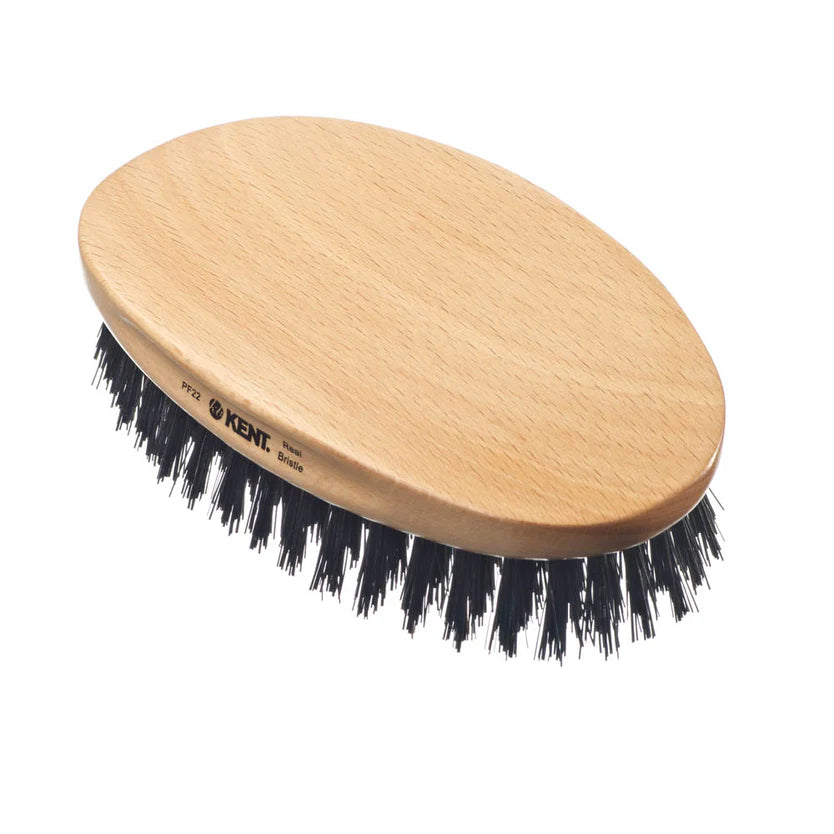
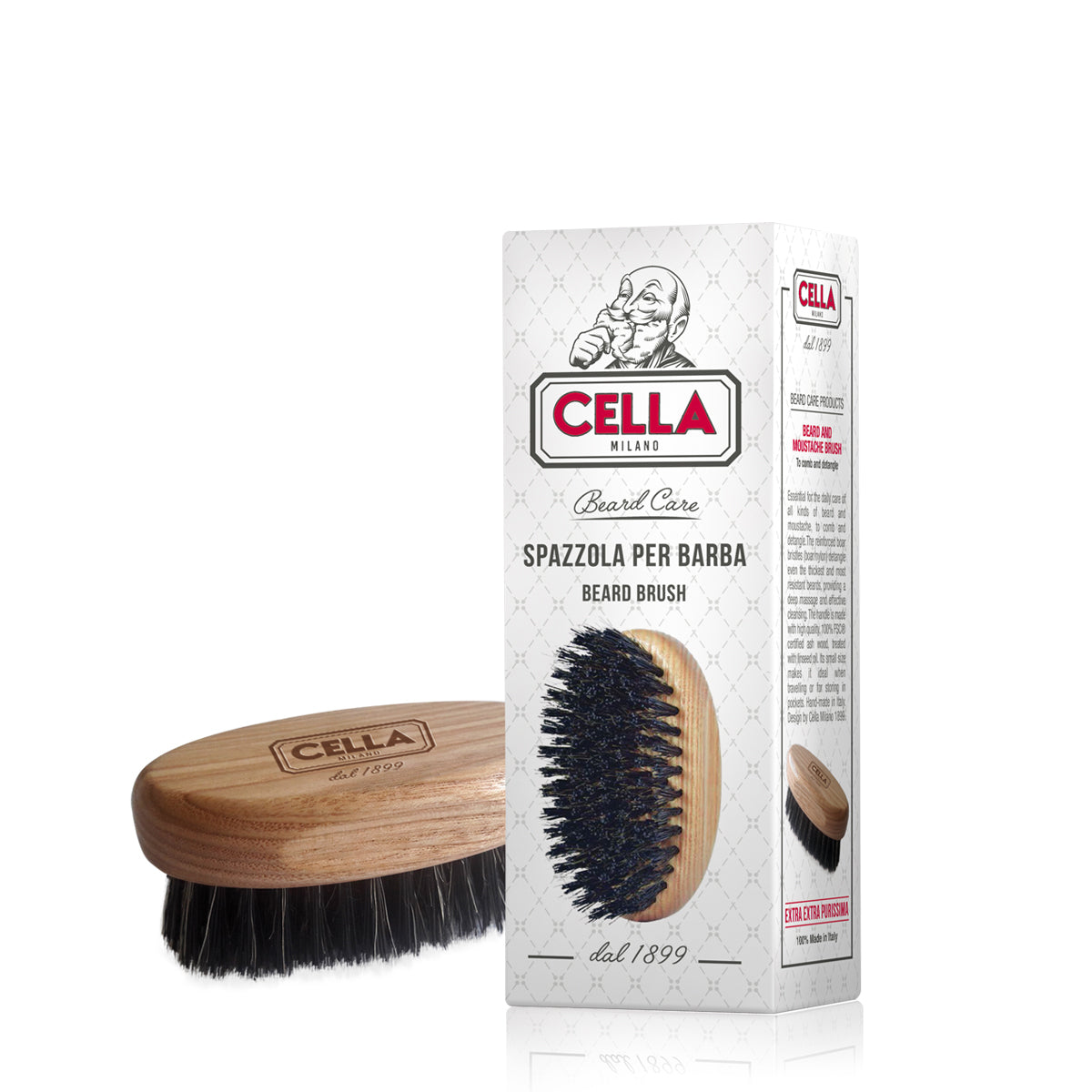
A beard brush can also help lift away trapped flakes, dead skin cells and product build-up from under the beard. This is useful because irritation and itchiness often come not only from the beard hair itself, but from the skin underneath it. Gentle brushing can lightly stimulate the skin and help keep the beard area cleaner and more comfortable.
The key word is gentle. Brushing should not scratch, burn or irritate the skin. If the skin becomes red or sore, brush less often or use a softer brush.
A comb is useful for precision, longer beards and moustaches. A brush is useful for shaping, directing the hair, distributing product and creating a more natural groomed finish.
If your beard looks messy even after using oil or balm, brushing may be the missing step.
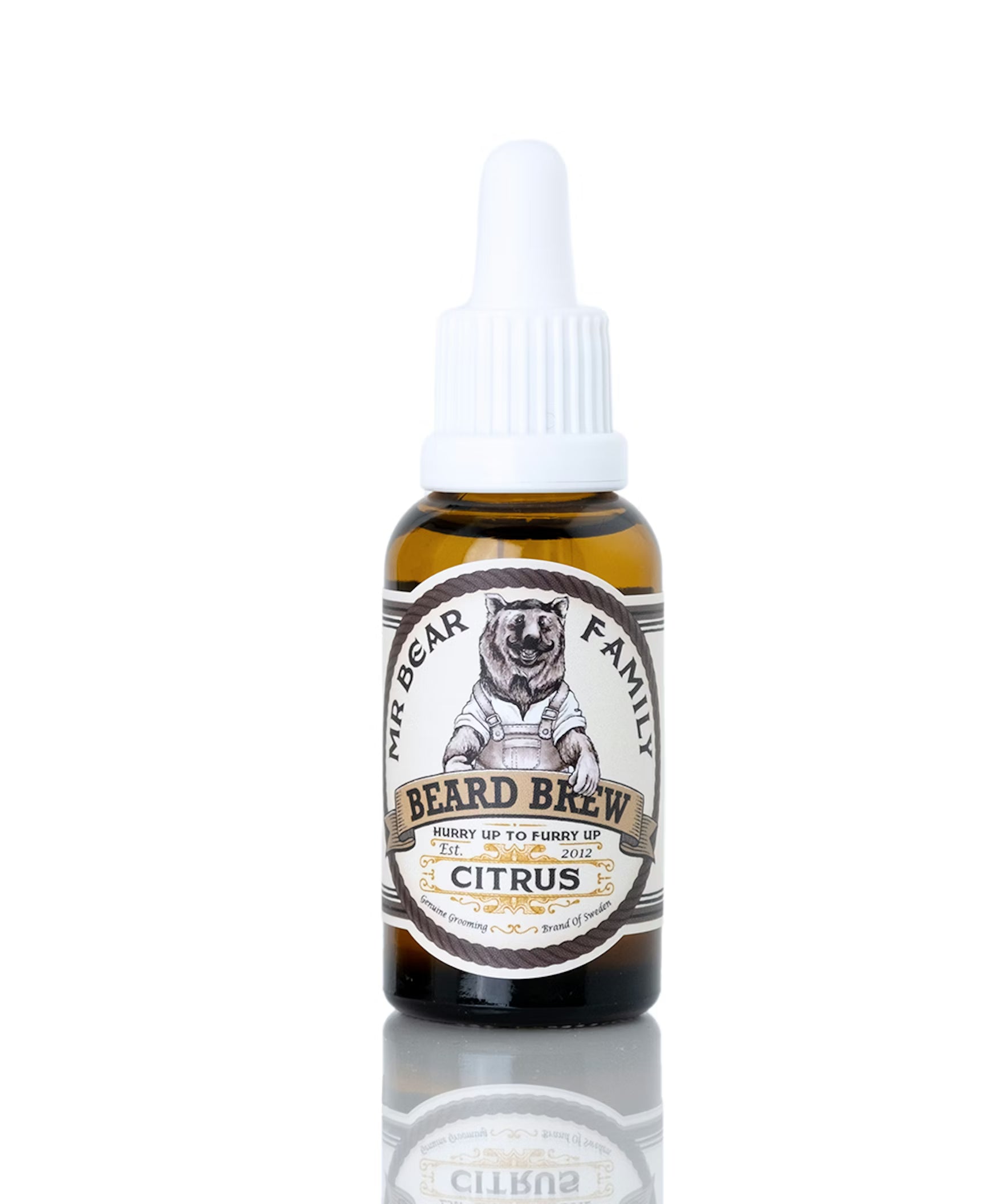
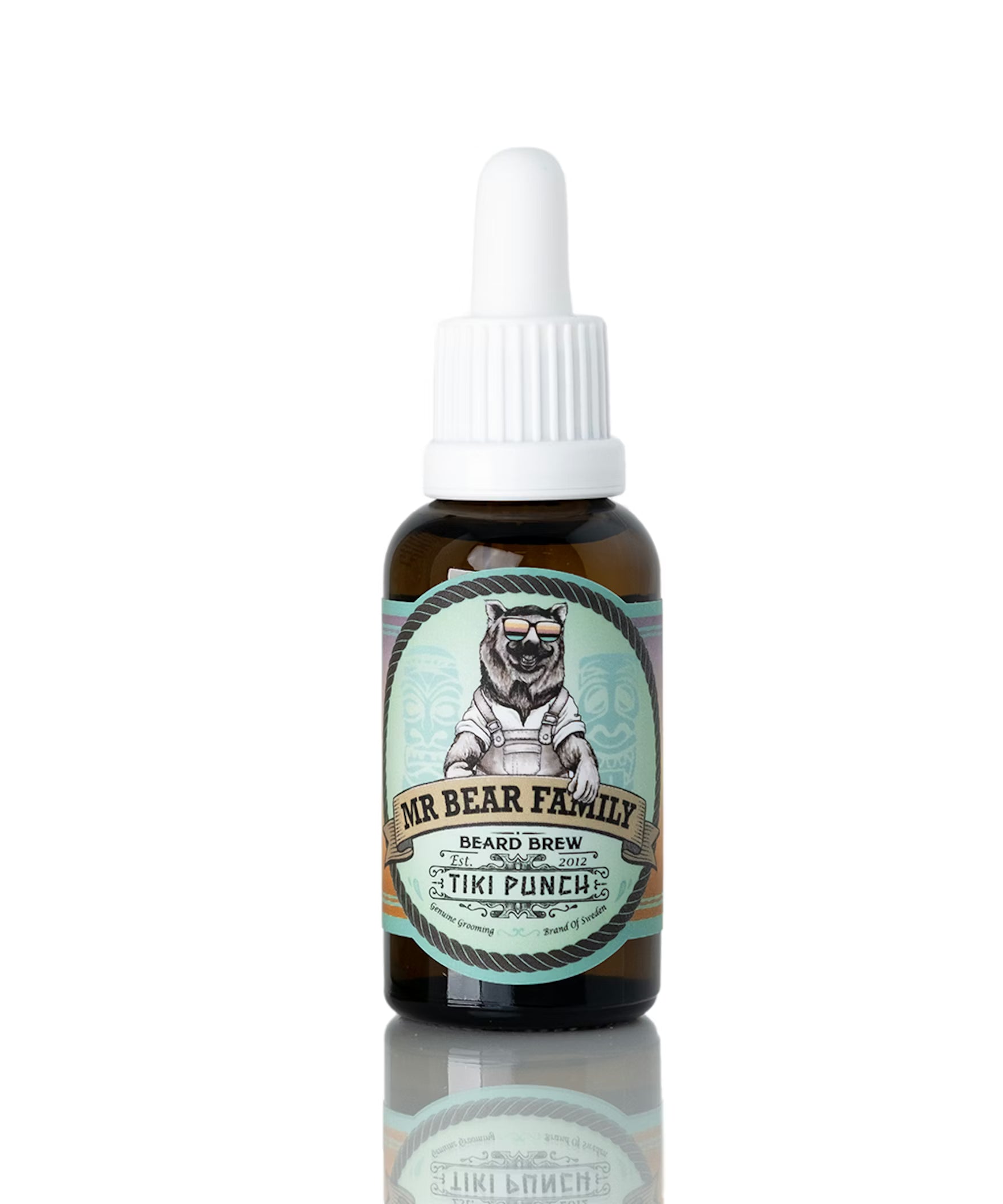
Latest Arrivals for Beard Care



WE SHIP ACROSS EUROPE